The following exercises do more than build strength. You’ll also use them after surgery to help speed your recovery. Ask your physical therapist (PT) or surgeon if you should exercise one or both legs. Talk with your provider about which exercises are right for you. You may also be given special instructions. And unless you’re told otherwise, try to do each exercise at least
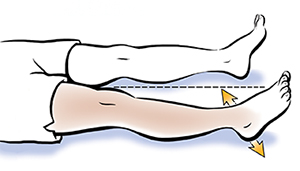
Abduction/adduction
This exercise strengthens the hip abductor and adductor muscles to improve your hip's stability.
-
Lie down with your feet slightly apart. Keeping your knee and toes pointing upward, slowly slide your leg out to the side.
-
Slide your leg back to its original position without crossing the midline of your body.
Heel slides
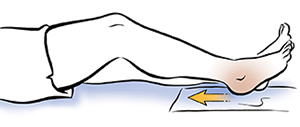
Heel slides strengthen your hip and leg muscles, ligaments, and tendons. They also relieve pain and improve blood flow in your legs. They can help you regain your range of motion.
-
Lie down or sit with your legs stretched out in front of you.
-
Slide your heel toward your buttocks while keeping it on the bed or floor. Placing a plastic bag or cookie sheet under the heel can help it slide more easily.
-
Move it as far as you comfortably can. Hold for 5 to 10 seconds, then slide your heel back.
Gluteal sets
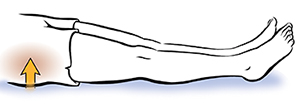
This exercise strengthens your gluteal muscles and improves the stability of your hip joint.
-
Lie down with your legs out straight
-
Squeeze your buttocks together tightly. Your hips will rise slightly off the bed or floor.
-
Hold for 5 to 10 seconds, then release.
Online Medical Reviewer: Marianne Fraser MSN RN
Online Medical Reviewer: Raymond Turley Jr PA-C
Online Medical Reviewer: Vinita Wadhawan Researcher
Date Last Reviewed: 12/01/2024
© 2000-2025 The StayWell Company, LLC. All rights reserved. This information is not intended as a substitute for professional medical care. Always follow your healthcare professional's instructions.
Find the right provider to meet your needs
From primary care to specialty services and more.
Find a Doctor
Call for an Appointment
Offering personalized care at more than 20 clinics across three cities and two states.
Call NowRelated Articles
Exercises for Shoulder Flexibility: Wand Stretch
Improving your flexibility can reduce pain. Stretching exercises also can help increase your range of pain-free motion. Breathe normally when you exercise. Try to use smooth, fluid movements. Never force a stretch.
Protecting Your Neck: Posture and Body Mechanics
Protecting your neck from injuries and pain involves practicing good posture and body mechanics.
Post-op tips: Back
At home, you play a major role in your recovery. Protect your back by moving safely and practicing good body mechanics. Also see your healthcare provider for follow-up visits.
Leg Muscle Stretches: Knee Flexion
The following flexibility exercise may be suggested by your therapist. Repeat as many times as instructed. Stop the exercise if it causes pain, and discuss it with your physical therapist or healthcare provider: