Cholesterol is a waxy substance in your bloodstream. If there is too much of it in your blood, it can build up in the walls of your arteries. Over time, this buildup can lead to coronary disease. Coronary disease can put you at risk for a heart attack or stroke. It can also put you at risk for disease of the arteries in your legs and other places in your body. Medicine can give you the extra help you need to control your cholesterol.
How medicine helps
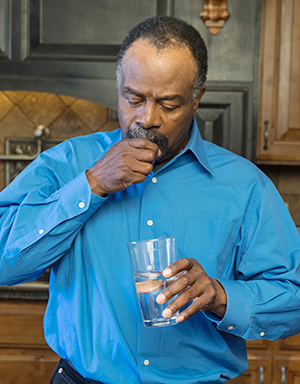
Different kinds of medicines help with cholesterol levels. Some help lower your LDL (bad cholesterol). Some help raise your HDL (good cholesterol). Other medicines lower your triglyceride levels. And some do all of these. It may take some time to find the right medicine for you. Taking medicine will only be one part of your cholesterol control plan. You will still need to eat right and get regular exercise.
Talk with your doctor to find out your risks for having a heart attack. Your doctor can tell you what goals to use to see if your treatment is working. These goals may vary based on your health issues or family history. Also ask your doctor how often your cholesterol should be checked as part of your treatment plan. You may need to fast before getting your cholesterol checked.
Taking your medicine
It is important to:
-
Tell your doctor about any other medicines you take. This includes over-the-counter medicines. It also includes vitamins and herbs.
-
Take your medicine exactly as directed. This helps make sure that it works as it should.
-
Don't skip a dose.
-
Don't stop taking it if you feel better.
-
Don't stop taking it when your cholesterol numbers improve.
-
Order your refill before your medicine runs out.
Side effects
Medicines can cause side effects. These often occur at the start of taking a new medicine. Side effects can include headache and upset stomach. Rarely, you can have muscle aches or cramps. Tell your doctor about any side effects you have.
When to contact your doctor
When taking your medicine, contact your doctor if:
-
You have yellowing of the whites of your eyes.
-
You have blurred vision.
-
You have muscle aches.
-
You have trouble breathing.
-
You have pain in the right upper area of your abdomen.
Online Medical Reviewer: Lu Cunningham
Online Medical Reviewer: Steven Kang MD
Date Last Reviewed: 05/01/2025
© 2000-2025 The StayWell Company, LLC. All rights reserved. This information is not intended as a substitute for professional medical care. Always follow your healthcare professional's instructions.
Find the right provider to meet your needs
From primary care to specialty services and more.
Find a Doctor
Call for an Appointment
Offering personalized care at more than 20 clinics across three cities and two states.
Call NowRelated Articles
Taking Your Medicines After a Heart Attack
Tips and types of medicines needed after a heart attack.
Living with an Implantable Cardioverter Defibrillator (ICD)
Most ICDs are well protected from interference with other electrical devices. But there are some devices and signals that can cause problems. Read on to learn more--and prevent these possible problems.
Taking Amlodipine
Amlodipine is a calcium channel blocker. It helps relax your blood vessels and can lower your blood pressure and relieve chest pain.
Checking Your Blood Pressure
See the 8 steps to measuring your blood pressure at home.