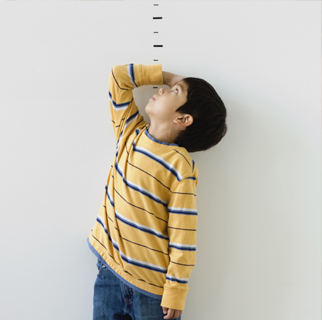
What is considered a normal growth rate?
Normal growth is grouped in a range that pediatricians use to see how a child is growing. Here are some average height and weight ranges, based on growth charts developed by the CDC.
|
Age |
Height - Females (in inches) |
Height - Males (in inches) |
Weight - Females (in pounds) |
Weight - Males (in pounds |
|---|---|---|---|---|
|
1 |
27 to 31 |
28 to 32 |
15 to 20 |
17 to 21 |
|
2 |
31.5 to 36 |
32 to 37 |
22 to 32 |
24 to 34 |
|
3 |
34.5 to 40 |
35.5 to 40.5 |
26 to 38 |
26 to 38 |
|
4 |
37 to 42.5 |
37.5 to 43 |
28 to 44 |
30 to 44 |
|
6 |
42 to 49 |
42 to 49 |
36 to 60 |
36 to 60 |
|
8 |
47 to 54 |
47 to 54 |
44 to 80 |
46 to 78 |
|
10 |
50 to 59 |
50.5 to 59 |
54 to 106 |
54 to 102 |
|
12 |
55 to 64 |
54 to 63.5 |
68 to 136 |
66 to 130 |
|
14 |
59 to 67.5 |
59 to 69.5 |
84 to 160 |
84 to 160 |
|
16 |
60 to 68 |
63 to 73 |
94 to 172 |
104 to 186 |
|
18 |
60 to 68.5 |
65 to 74 |
100 to 178 |
116 to 202 |
A child may be growing, but their growth pattern may not fit the normal pattern. And this is OK. Ultimately, the child should grow to normal height by adulthood. If you think your child or teen is not growing correctly, always talk with your child's healthcare provider.
Featured in
Date Last Reviewed: 08/01/2023
© 2000-2025 The StayWell Company, LLC. All rights reserved. This information is not intended as a substitute for professional medical care. Always follow your healthcare professional's instructions.
Find the right provider to meet your needs
From primary care to specialty services and more.
Find a Doctor
Call for an Appointment
Offering personalized care at more than 20 clinics across three cities and two states.
Call NowRelated Articles
Making Your Home Safe for Children
You want your home to be a safe haven for your kids. Yet thousands of children are hurt or killed in home incidents. With a little care, many incidents can be prevented. This sheet gives you tips on keeping all areas of your home safe for children.
Car Passenger Safety: Car Safety Seats
Each year, thousands of children are injured or killed in car crashes. Car safety seats can help keep your infant or toddler safe and secure in your vehicle. But they need to be used correctly. Read on for information on how to keep your child safe.
Discharge Instructions: Taking an Axillary Temperature (Child)
You take an axillary (armpit) temperature by holding the thermometer under your baby's arm for 4 to 5 minutes.
Keeping Children Safe in and Around Water
Always supervise your child in the water, even if he or she knows how to swim. And if possible, learn CPR.