Like most people, you may have been sunburned at least once. If so, you know the symptoms red, hot, painful skin. Most sunburns are minor and go away in a few days. But sunburns can be serious. It's important to know when to get medical care.
Risk factors
You are more likely to burn in the sun if you:
-
Have very fair skin
-
Are exposed to sunlight reflected from snow, sand, or water
-
Live near the equator or at high altitudes
-
Are taking certain antibiotics, birth control pills, or the herb St. John's wort. Check with your healthcare provider or your pharmacist about other medicines that can increase your sun sensitivity.
How to treat a sunburn
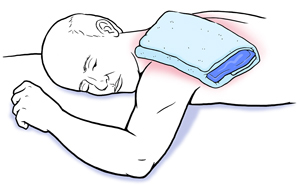
Sunburn symptoms may not appear until 6 to 12 hours after exposure. Mild redness and swelling can usually be treated at home. Cool baths or cool, wet cloths (compresses) can help. Using aloe vera lotion can help soothe the skin. Ibuprofen can help relieve pain, swelling, and inflammation.
When to call your healthcare provider
Call your healthcare provider right away if you have any of these symptoms:
-
Intense pain
-
Fever and chills
-
Severe blisters
-
Headache, confusion, or fainting
-
Nausea or vomiting
-
Severe fluid loss (dehydration)
The treatment you receive will depend on the severity of the sunburn:
-
You may be told to drink plenty of fluids and apply cool compresses or soak in cool water. You may also be given a cream to prevent infection.
-
For severe burns, you may be given pain medicine. You may be given an oral steroid medicine to take. Fluids and cool water soaks help relieve symptoms.
-
In extreme cases, you may be admitted to a hospital emergency or burn unit.
Protect your skin
Long-term sun exposure may lead to wrinkling and skin cancer. To protect your skin:
-
Stay out of the sun between 10 a.m. and 4 p.m., when rays are strongest.
-
Wear a wide-brimmed hat and long sleeves in the sun.
-
Use sunscreen even on cloudy days. Make sure it is at least SPF 30, broad spectrum, and water-resistant. Reapply every few hours and after swimming.
Online Medical Reviewer: Marianne Fraser MSN RN
Online Medical Reviewer: Michael Kapner MD
Online Medical Reviewer: Raymond Kent Turley BSN MSN RN
Date Last Reviewed: 09/01/2023
© 2000-2025 The StayWell Company, LLC. All rights reserved. This information is not intended as a substitute for professional medical care. Always follow your healthcare professional's instructions.
Find the right provider to meet your needs
From primary care to specialty services and more.
Find a Doctor
Call for an Appointment
Offering personalized care at more than 20 clinics across three cities and two states.
Call NowRelated Articles
Understanding Epidermoid Cyst
An epidermoid cyst is a small abnormal growth in the top layers of the skin. These cysts grow slowly, and they can grow anywhere on the body. Learn about causes, symptoms, and treatment.
Chemical Exposure to the Skin
The effects of chemicals on the skin range from mild irritation and redness to a severe burn. Learn about how to care for this type of burn.
Petechiae
Petechiae are very small red spots on the skin. They often occur on the arms, legs, stomach, and buttocks. They don't itch. They may be caused by an infection, a reaction to a medicine, a collagen disorder, or a bleeding disorder. Here's how to care for yourself at home.
Head Lice
Head lice are tiny insects that infect the scalp. They make your scalp feel very itchy. Lice lay eggs that are called nits. They look like tiny white specks stuck to your hair. Read on to learn how to get rid of head lice.