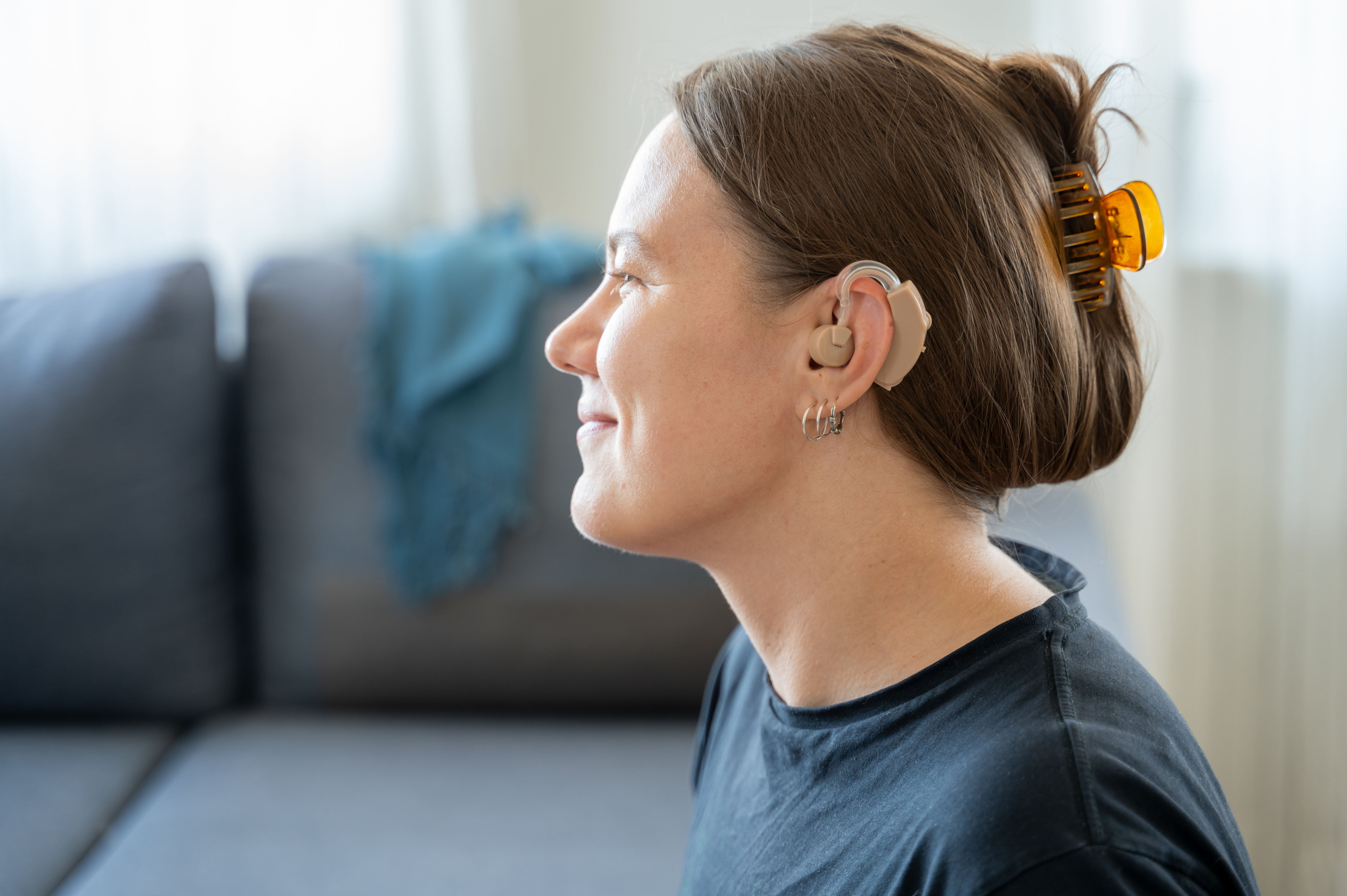
It’s not easy to focus on a conversation when there is background noise. Getting the most from your hearing aid means learning new ways to listen—and not always with your ears. Your audiologist or hearing aid specialist can advise you about classes in auditory or aural rehab (rehabilitation). This is training to improve your hearing by learning new listening methods. For example, you’ll learn to pick out speech against background noise. You can do this by watching the speaker’s moving lips, facial gestures, and body motions.

Better communication skills
An aural rehab class gives you the chance to fix any problems you may still have with your hearing aid. These classes also offer counseling and support. This can help you and your family cope with the psychological and emotional aspects of hearing loss. Write down questions you have about hearing and your hearing aid. Bring the list with you to class.
Tips for better hearing and communication
-
Speak at a normal level. The hearing aid will make voices louder.
-
Talk naturally and clearly.
-
Don’t chew or smoke when speaking.
-
Don’t let your hands cover your mouth and face.
-
Turn off the radio or TV. Background noise is distracting.
-
Get the listener’s attention before speaking. You may not be heard if you are in another room or if the listener is near a source of noise.
-
Talk face to face. Lip movement, facial expression, and gestures are key parts of conversation.
-
If the person doesn't understand you, try again. But use different words. Don’t use the same words.
Online Medical Reviewer: Ashutosh Kacker MD
Online Medical Reviewer: Rita Sather RN
Online Medical Reviewer: Tara Novick BSN MSN
Date Last Reviewed: 01/01/2025
© 2000-2025 The StayWell Company, LLC. All rights reserved. This information is not intended as a substitute for professional medical care. Always follow your healthcare professional's instructions.
Find the right provider to meet your needs
From primary care to specialty services and more.
Find a Doctor
Call for an Appointment
Offering personalized care at more than 20 clinics across three cities and two states.
Call NowRelated Articles
Coping with Ménière’s Disease: Other Things You Can Do
Take care of your body and your emotions. Also talk to your friends and family. The more they know about Meniere's disease, the easier it will be for them to understand what you're going through and to offer help when they can.
Dysarthria: Improving Speech
Dysarthria is a speech problem caused by a lack of control over the muscles in the face and mouth. Clearer, smoother speech is the goal of rehabilitation.
How Hearing Aids Can Help You
Many people find that a correctly selected and fitted hearing aid helps them hear much better. Here's what you need to know.
Managing Balance Problems: Vestibular Rehabilitation Therapy
An inner ear problem can affect your balance. Vestibular rehabilitation therapy can help with your symptoms.