Meningitis is an infection or inflammation of the membrane and fluid around the brain and spinal cord. Viral meningitis is caused by a virus. It may start as another illness, such as the stomach flu. It most often happens in children younger than
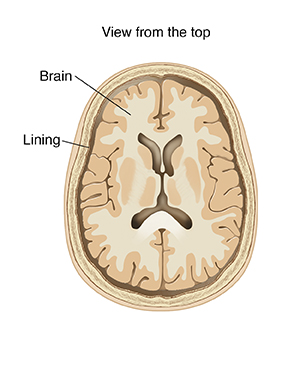
Symptoms of meningitis
Viral meningitis isn't an emergency. But the symptoms are often the same as bacterial meningitis, which is a more serious condition. You won’t know which one your child has, so it's important to get medical care right away if your child has any of these symptoms:
-
Fever over
100.4 °F (38.0 °C) (in a baby less than 2 months of age) -
Severe headache that doesn’t go away
-
Stiff neck (arching back or neck in infants)
-
Upset stomach (nausea) or vomiting with headache
-
Sleepiness and trouble waking up
-
Grouchiness and dislike of being handled
-
Bruise-like rash or splotchy skin
-
Sensitivity to light
-
No appetite
Note: If a newborn or infant is grouchy, very sleepy, or eats poorly, have them checked by a healthcare provider right away. Have them checked even if there's no fever.
Diagnosing meningitis
Tests are done to diagnose meningitis. The tests can show if it's bacterial or viral. The tests include:
-
Spinal tap. A sample of spinal fluid is taken from the spinal canal located in the lower back. It's checked for signs of bacteria or viruses. This is the main test for meningitis.
-
Imaging tests. These may include an MRI or a CT scan. These tests look for areas of swelling and inflammation.
Treating viral meningitis
Viral meningitis often goes away on its own in about
Online Medical Reviewer: Liora C Adler MD
Online Medical Reviewer: Raymond Kent Turley BSN MSN RN
Online Medical Reviewer: Rita Sather RN
Date Last Reviewed: 09/01/2024
© 2000-2025 The StayWell Company, LLC. All rights reserved. This information is not intended as a substitute for professional medical care. Always follow your healthcare professional's instructions.
Personalized Pediatric Care
San Juan Health Partners Pediatrics. Dedicated to caring for your children.
Find a Doctor
Call for an Appointment
Offering personalized care at more than 20 clinics across three cities and two states.
Call NowRelated Articles
Brain Cyst
A brain cyst is an abnormal fluid-filled sac in the brain. A cyst may contain blood, pus, or other material. In the brain, a cyst may contain cerebrospinal fluid (CSF). CSF normally bathes and cushions the brain and spinal cord. Often, a brain cyst begins before birth.
Bell’s Palsy
Bell's Palsy is a problem involving the nerve that controls the muscles on 1 side of the face.
Meningitis in Children
Meningitis is most often caused by a bacterial or viral infection that moves into the cerebral spinal fluid (CSF).
Stroke in Children
Stroke is much more common in adults than children, but children get strokes, too. The good news is that a child has a better ability to recover from stoke than an adult because a child's brain is still developing. Read on to learn more.