Electrothermal therapy, also known as intradiscal electrothermal therapy, is often done in a hospital or surgery center. You will not need to stay overnight. Before the procedure, you and your healthcare provider will discuss how you need to prepare.
Before you agree to this procedure, ask the healthcare provider the following questions:
-
Why do I need this procedure?
-
Are there any alternatives?
-
How many times have you done this procedure?
-
What are the possible complications?
-
When will I see the results?
If you don't feel comfortable asking the healthcare provider these questions, ask a family member or friend to come with you to ask them. The answers are critical to your health and safety.
Your exam and tests
You’ll have an exam to make sure you are healthy enough to have this procedure. You will also have tests that give information about your disk. These may include:
-
Discogram. For this imaging test, dyes are injected into the disk. They can be seen on an X-ray. This test is done to pinpoint the disk that's causing your pain.
-
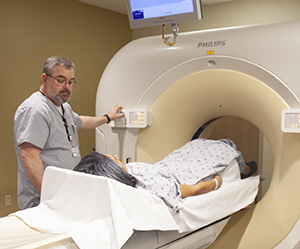
MRI or CT scan . These and other imaging tests may help your healthcare provider learn more about how your disk is damaged.
Before the procedure
-
Tell your healthcare provider about all the medicines you take. This includes over-the-counter medicines, such as aspirin, herbs, vitamins, and supplements.
-
Stop taking medicines as advised by your healthcare provider.
-
Stop eating and drinking
8 hours before the procedure. -
Arrange for an adult friend or family member to drive you home.
-
Allow time to check in. You will need to sign an informed consent form stating that the procedure has been explained to you. Be certain all of your questions are answered before you sign.
Preparing at home
Arranging a few things ahead of time can make recovery easier and safer.
-
Store supplies between hip and shoulder level. That way, you can get to them without reaching or bending.
-
Arrange for rides. You may not be able to drive for a week or more after the procedure.
-
Find someone to help with chores and errands.
-
Bring a pair of slip-on shoes with closed backs or slippers. That way, you won’t have to bend to put on your shoes.
Online Medical Reviewer: Jimmy Moe MD
Online Medical Reviewer: Ronald Karlin MD
Online Medical Reviewer: Tara Novick
Date Last Reviewed: 10/01/2024
© 2000-2025 The StayWell Company, LLC. Todos los derechos reservados. Esta información no pretende sustituir la atención médica profesional. Sólo su médico puede diagnosticar y tratar un problema de salud.
Find the right provider to meet your needs
From primary care to specialty services and more.
Find a Doctor
Call for an Appointment
Offering personalized care at more than 20 clinics across three cities and two states.
Call NowRelated Articles
Lumbar Drain Placement
A lumbar drain is a soft, thin, sterile tube (also called a catheter) that your healthcare provider places though the skin of your back, into your lower (lumbar) spine. The drain collects cerebrospinal fluid (CSF). This is a clear fluid that surrounds your spinal cord and brain to protect them from injury. Read on to learn more about lumbar drain placement and how it’s done.
First Aid: Head Injuries
A strong blow to the head may cause swelling and bleeding inside the skull. The resulting pressure can injure the brain (concussion).
Bleeding Brain Aneurysms
Understand what a bleeding aneurysm can do to your brain cells.
During Cervical Disk Surgery
During surgery, your surgeon may remove all or part of the disk (diskectomy). To reach the cervical spine, they may make an incision in the front (anterior) or the back (posterior) of your neck. Learn more about these 2 approaches.