Most headaches aren't serious and can be relieved with self-care. But some headaches may be a sign of another health problem like eye trouble or high blood pressure. To find the best treatment, learn what kind of headaches you get. For tension headaches, self-care will usually help. To treat migraines, ask your healthcare provider for advice. It's also possible to get both tension and migraine headaches. Self-care involves relieving the pain and preventing headache "triggers" if you can.
Ways to reduce pain and tension
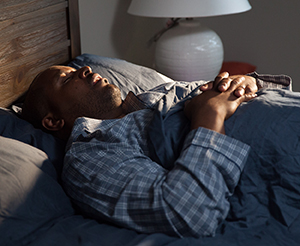
Try these steps:
-
Apply a cold compress or ice pack to the pain site.
-
Drink fluids. If nausea makes it hard to drink, try sucking on ice.
-
Rest. Protect yourself from bright light and loud noises.
-
Calm your emotions by imagining a peaceful scene.
-
Massage tight neck, shoulder, and head muscles.
-
To relax muscles, soak in a hot bath or use a hot shower.
Use medicines
Aspirin or other over-the-counter (OTC) pain medicines, such as ibuprofen and acetaminophen, can relieve headache. Remember: Never give aspirin to anyone 18 years old or younger because of the risk of getting Reye syndrome. Use pain medicines only when needed. Certain prescription and OTC medicines can lead to rebound headaches if they are taken too often. Check with your healthcare provider or pharmacist about your medicines.
Track your headaches
Keeping a headache diary can help you and your healthcare provider identify what's causing your headaches:
-
Note when each headache happens.
-
Identify your activities and the foods you've eaten 6 to 8 hours before the headache began.
-
Look for any trends or "triggers."
-
Bring the information to your next medical appointment.
Signs of tension headache
Any of the following can be signs:
-
Dull pain or feeling of pressure in a tight band around your head
-
Pain in your neck or shoulders
-
Headache without a definite beginning or end
-
Headache after an activity, such as driving or working on a computer
Signs of migraine
Any of the following can be signs:
-
Throbbing pain on one or both sides of your head
-
Nausea or vomiting
-
Extreme sensitivity to light, sound, and smells
-
Bright spots, flashes, or other visual changes
-
Pain or nausea so severe that you can't continue your daily activities
When to call your healthcare provider
Call your healthcare provider if any of the following occur:
-
A headache that lingers after a recent injury or bump to the head
-
A headache that lasts for more than 3 days
-
Frequent headaches, especially in the morning
Get medical care right away if you have:
-
A headache along with slurred speech, changes in your vision, or numbness or weakness in your arms or legs
-
Headaches with seizures
-
A fever with a stiff neck or pain when you bend your head toward your chest
-
A headache that you would call "the worst headache you have ever had" or a severe, persistent headache that gets worse or doesn't get better with treatment
Online Medical Reviewer: Joseph Campellone MD
Online Medical Reviewer: Marianne Fraser MSN RN
Online Medical Reviewer: Raymond Kent Turley BSN MSN RN
Date Last Reviewed: 12/01/2022
© 2000-2025 The StayWell Company, LLC. All rights reserved. This information is not intended as a substitute for professional medical care. Always follow your healthcare professional's instructions.
Find the right provider to meet your needs
From primary care to specialty services and more.
Find a Doctor
Call for an Appointment
Offering personalized care at more than 20 clinics across three cities and two states.
Call NowRelated Articles
Physical Fitness and Spinal Cord Injury (SCI)
You may think that you can’t be physically fit with an SCI. But you can indeed exercise, be active, and build and maintain fitness. Exercise plays a very important role in keeping you healthy. Learn here all the ways activity and exercise can help you.
Physical Problems After Brain Injury
A traumatic brain injury can affect other parts of the body too. As a result, people who have a brain injury may have little or no control over their bodies. Read on to learn more.
Nutrition and Spinal Cord Injury (SCI)
Good nutrition is a vital part of staying healthy after an SCI. A nutritious and balanced diet helps you manage your weight. It provides you with the energy you need for daily activities.
Partial Seizures: Staying Healthy
With a little bit of planning, most people with partial seizures are able to lead active, fulfilling lives. You can, too. These tips can help you stay as healthy as possible and head off seizures before they happen.