Conjunctivitis is an irritation of the thin membrane covering the eye and the inside of the eyelid. This membrane is called the conjunctiva. The condition is often called pinkeye or redeye because the eye looks pink or red. The eye may also be swollen, itchy, burning, or tearing. A watery or mucous discharge may occur. This type of conjunctivitis is not contagious.
Allergic conjunctivitis is caused by an allergen. Allergens are substances that cause the body to react with certain symptoms. Allergens that cause eye irritation include things such as house dust, smoke, or pollen in the air. This can occur seasonally, most often in the spring. Other possible allergens that may cause symptoms include cosmetics, perfumes, animal saliva or dander, chlorine in swimming pools, or contact lenses.
Home care
-
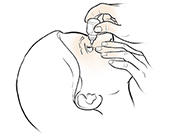
Eye drops may be prescribed to reduce itching and redness. Use these as directed. Otherwise, over-the-counter lubricating eye drops, sometimes referred to as artificial tears, may be used.
-
Apply a cool compress (towel soaked in cool water) to the affected eye 3 to 4 times a day. It can reduce swelling and itching.
-
It's common to have mucus drainage during the night. This causes the eyelids to become crusted by morning. Use a warm, wet cloth to wipe this away. You may also use saline irrigating solution or artificial tears to rinse away mucus in the eye. Don't patch the eye.
-
You may use acetaminophen or ibuprofen to control pain, unless another medicine was prescribed. Talk with your healthcare provider if you have chronic liver or kidney disease before using these medicines. Also talk with your provider if you have ever had a stomach ulcer or digestive bleeding.
-
Don't wear contact lenses until your eyes have healed and all symptoms are gone.
-
Avoid the allergen as much as possible, if the allergen is known.
-
Don't rub your eyes.
Follow-up care
Follow up with your healthcare provider, or as advised. You may be referred to an allergist.
When to seek medical advice
Call your healthcare provider right away if any of these occur:
-
Increased eyelid swelling
-
New or worsening drainage from the eye
-
Increasing redness around the eye
-
Facial swelling
Online Medical Reviewer: Chris Haupert MD
Online Medical Reviewer: Jessica Gotwals RN BSN MPH
Online Medical Reviewer: Whitney Seltman MD
Date Last Reviewed: 11/01/2022
© 2000-2025 The StayWell Company, LLC. All rights reserved. This information is not intended as a substitute for professional medical care. Always follow your healthcare professional's instructions.
Find the right provider to meet your needs
From primary care to specialty services and more.
Find a Doctor
Call for an Appointment
Offering personalized care at more than 20 clinics across three cities and two states.
Call NowRelated Articles
Conjunctivitis Caused by Infection
Infections are caused by viruses or germs (bacteria). Treatment includes keeping your eyes and hands clean. Your health care provider may prescribe eye drops. They may also tell you to stay home from work or school if you're contagious.
Convergence Insufficiency
Convergence insufficiency (CI) is when the eyes have trouble working together while focusing on an object at that is close by.
Foreign Object in the Cornea
A foreign object can get into the cornea. A trapped speck of dirt or grit is often a minor problem. But anything metal, or an object that goes through (pierces) your cornea, can cause severe damage. Here's what you need to know about getting emergency medical care.
Black Eye
In most cases, a black eye is a minor injury and can be treated at home. But there are times when you should get medical care right away.