Nutrition
The Big Benefits of Eating Less Meat
March 2020
A vegetarian lifestyle can be good for both your health and the environment. But what if you appreciate a chicken enchilada once in a while?
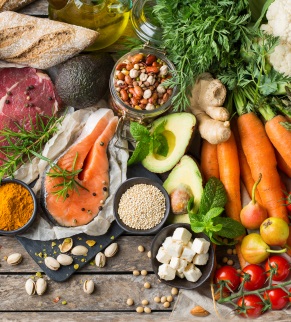
A flexitarian, or “flexible vegetarian,” diet could be your solution. Flexitarians mainly eat plant-based foods, such as vegetables, fruits, whole grains, beans, nuts, and tofu, as well as eggs and low-fat or nonfat dairy products. But unlike vegetarians, they also eat meat, poultry, or fish occasionally—once a week or less.
The flexitarian diet has many health benefits. It helps you decrease the amount of saturated fat and cholesterol you eat. It also helps you eat more vegetables, fruits, and grains. Plus, research suggests that a flexitarian diet helps with weight control and lowers your risk for heart disease and diabetes.
Going flexitarian can have a positive influence on the environment, too. Lower beef consumption, especially, could decrease greenhouse gas emissions from food production by up to 35 percent.
If you decide to go flexitarian, you should still avoid less nutritious choices whenever possible, such as desserts, sugary drinks, salty snacks, and refined grains like white bread. Strive to eat protein-rich foods, such as legumes and nuts. When you eat meat, ensure it’s lean.
Remember, this diet isn’t about excluding entire food categories. It’s about savoring a variety of delicious, nutritious foods—including the occasional salmon filet or juicy lean burger.
Test Disclaimer
Online Medical Reviewer: Brian McDonough, MD
Date Last Reviewed: 08/01/2018
© 2000-2025 The StayWell Company, LLC. All rights reserved. This information is not intended as a substitute for professional medical care. Always follow your healthcare professional's instructions.
Find the right provider to meet your needs
From primary care to specialty services and more.
Find a Doctor
Call for an Appointment
Offering personalized care at more than 20 clinics across three cities and two states.
Call NowRelated Articles
Discharge Instructions for Hypernatremia
You have hypernatremia, a condition in which you have too much sodium in the blood. Learn how to care for yourself at home.
Take 3 Steps Toward Healthy Eating
We know we should eat more of what’s good for us and less of what’s not. But most Americans get too many calories and not enough nutrition in their daily diet, health experts claim. Here’s a simple three-step plan to help.
Adding Flavor to Low-Fat Meals
There are endless ways to add more variety and flavor to your diet, without using salt or high-fat ingredients.
MyPlate Worksheet: 1,200 Calories
Your calorie needs are about 1,200 calories a day. These are the U.S. Department of Agriculture (USDA) guidelines for your daily recommended amount of each food group.