Causes
Is Your Teen Abusing Drugs or Alcohol?

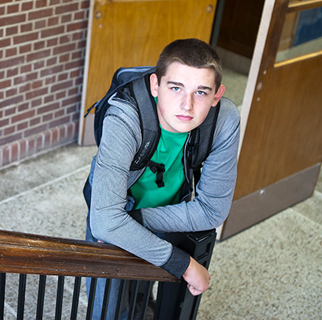
Teens who are taking drugs may have trouble with school and relationships. But they may also have mood swings with irritability, anger, and changes in sleep patterns.
Changes in behavior, a change in grades, a change in how they dress, or a sudden change in friends may suggest the start of alcohol or drug abuse. Listen to teachers and your teen's friends.
A screening test
If you're concerned your child has a problem, talk with your child's healthcare provider about an evaluation and possibly doing a drug screen. If your teen refuses to go to the appointment, this may imply an admission of drug abuse.
Parents can help their teens kick a drug habit or avoid it in the first place:
-
Address the situation directly. Don't make excuses or enable the drug use. Make it very clear that this behavior is not acceptable. Provide consequences for your child's drug use.
-
Seek professional help right away. Drug and alcohol abuse is a health problem. You can quickly begin family counseling to find out if there are any underlying problems. If you are thinking about counseling, your healthcare provider may be able to refer you to a counselor.
-
Reward the positive. If your teen isn't experimenting with drugs, provide encouragement and positive reinforcement. Show your kids that you respect their good judgment by rewarding them with more privileges and increased responsibilities.
It's important not to panic at the first sign of alcohol and drug use. This may increase the divide between you and your teen. It's better to engage them in a mature discussion. Treat them as if they were adults with their own opinions. At the same time, reinforce that with adulthood comes the responsibility of health, safety, and appropriate behavior.
Look for changes
How can a parent know if a teen is using drugs? Look for changes in everyday functioning. Behavioral changes that are interfering with schoolwork, social activities, or behavior at home may be due to substance abuse.
Warning signs may include:
-
Suddenly getting bad grades, or loss of interest in school activities.
-
A rapid, unexplained change of friends.
-
A lack of interest in appearance or clothing.
-
Evidence of lying, stealing, or spending money but having nothing to show for it.
-
Sudden or unusual mood changes, especially depression, anger, and aggression.
-
Changes in sleep patterns or appetite
-
Physical signs of drug or alcohol dependence such as intoxication or hangovers.
What should you do if you think your child is using drugs?
Stay calm and in total control of your own feelings.
If you do find out that your teen is drinking or abusing drugs, let them know that this behavior is illegal and unsafe and that it must stop immediately. If the abuse doesn't stop, then it's time to think about getting professional counseling.
Online Medical Reviewer: L Renee Watson MSN RN
Online Medical Reviewer: Liora C Adler MD
Online Medical Reviewer: Tennille Dozier RN BSN RDMS
Date Last Reviewed: 08/01/2023
© 2000-2025 The StayWell Company, LLC. All rights reserved. This information is not intended as a substitute for professional medical care. Always follow your healthcare professional's instructions.
Find the right provider to meet your needs
From primary care to specialty services and more.
Find a Doctor
Call for an Appointment
Offering personalized care at more than 20 clinics across three cities and two states.
Call NowRelated Articles
Binge Drinking Dangers for Young People
Binge drinkers are most likely found on college campuses, where many students consider a big game or fraternity party an excuse to drink all weekend.
Depression or Mood Disorder in Children and Teens with Obesity
Children and teens with obesity face many physical health challenges. But they are also more likely to develop mental health problems such as depression or other mood disorders.
For Kids Ages 12 to 17: Dealing with Diabetes
Your healthcare provider says that you have diabetes. It's a serious health problem that can make you feel sick if not treated. But you can learn how to live with diabetes and stay healthy. Make some changes in your life so diabetes doesn't stop you from doing the things you like to do. This sheet tells you some of the basics of coping with diabetes. You can talk to your healthcare team and go on the Internet to learn more.
For Parents: What to Do if Your Child is a Bully
Here’s what you can do as a parent to stop the bullying.