Maintaining a healthy diet helps your body counter PMS. Certain foods boost serotonin levels and give you the energy to cope with symptoms. Other foods can be avoided to ease symptoms.
About supplements
Ask your healthcare provider about supplements before trying them.
Benefits of a balanced diet
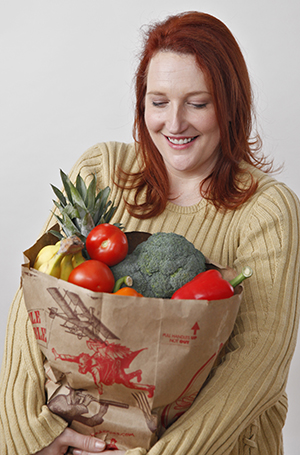
To counter PMS symptoms, maintain a balanced diet. Eat foods from all the food groups: dairy, grains, fruits and vegetables, and protein. When planning meals, know that:
-
Calcium may ease mood swings, headache, bloating, and irritability. It's found in dairy products such as milk, cheese, and yogurt. Some juices, breads, cereals, and soy products have calcium added (fortified).
-
Magnesium may relieve bloating and breast tenderness. It's found in many foods, including fresh fruits and vegetables. To help your body get enough magnesium, eat 5 or more servings of a variety of fruits and vegetables a day.
-
Vitamin B-6 helps the body use serotonin, thereby helping to ease depression. It's found in chicken, fish, potatoes, eggs, and carrots.
-
Vitamin E may reduce headache and breast tenderness. It's found in nuts such as almonds, peanuts, and hazelnuts. It's also found in green leafy vegetables.
Good mood foods
Eating foods high in carbohydrates (carbs) and fiber can help you manage PMS. That's because carbs raise serotonin levels. Carbs are also your body's main source of energy. To help keep energy and serotonin levels steady, eat small amounts throughout the day. High-fiber carbs include:
-
Whole-grain foods. Brown rice, whole-wheat pasta, whole-grain bread, and buckwheat noodles are good choices.
-
Fresh fruits and vegetables. These are especially fiber-rich when eaten unpeeled.
-
Beans and legumes. These include kidney beans, peas, and lentils.
Foods to limit
Some foods can make PMS symptoms worse. Know that:
-
Salt can cause bloating. Since canned vegetables are often high in salt, buy fresh instead. Flavor with herbs, lemon, or salt-free seasonings.
-
Sugar is a carb that provides only short bursts of energy. If you crave sugar, choose a food that's also high in fiber, like an unpeeled apple or a bran muffin.
-
Caffeine can disrupt sleep, which makes symptoms harder to cope with. Caffeine can also cause breast tenderness. Try to limit chocolate and caffeinated drinks, such as coffee or soda.
-
Alcohol can make you feel depressed and can disrupt sleep. Many kinds of alcohol are also high in sugar. You may try limiting the amount of alcohol you drink.
Online Medical Reviewer: Donna Freeborn PhD CNM FNP
Online Medical Reviewer: Heather Trevino
Online Medical Reviewer: Irina Burd MD PhD
Date Last Reviewed: 12/01/2022
© 2000-2025 The StayWell Company, LLC. All rights reserved. This information is not intended as a substitute for professional medical care. Always follow your healthcare professional's instructions.
Find the right provider to meet your needs
From primary care to specialty services and more.
Find a Doctor
Call for an Appointment
Offering personalized care at more than 20 clinics across three cities and two states.
Call NowRelated Articles
Birth Control: Natural Family Planning
Natural Family Planning is based on a woman's awareness of when she is fertile. By learning how to tell when you're fertile, you can know when to not have sex. This can help prevent pregnancy.
Painful Menstrual Periods (Dysmenorrhea)
Dysmenorrhea happens when the uterus contracts very strongly, causing pain. This can occur on its own, or as the result of an underlying health problem.
Discharge Instructions: Eating a Low-Salt Diet
Certain conditions, such as high blood pressure, make it necessary to eat a diet low in salt or sodium. This sheet can get you started.
MyPlate Worksheet: 1,600 Calories
Your calorie needs are about 1,600 calories a day. Here are the USDA guidelines for your daily recommended amount of each food group.