Carbon monoxide (CO) is a deadly gas you can't see or smell. It's made when certain fuels are burned. Faulty stoves or furnaces can release carbon monoxide. So can a car left running in an enclosed space. Fumes from building fires are the largest source of CO exposure and poisoning. Breathing in even small amounts of carbon monoxide can make you sick. Larger amounts can be fatal. Carbon monoxide poisoning tends to occur in the colder climates during the winter months.
When to go to the emergency room (ER)
Carbon monoxide (CO) poisoning is a medical emergency. Get the victim into fresh air right away. Then call
-
Headache and dizziness
-
Weakness
-
Confusion or loss of memory
-
Nausea and vomiting
-
Trouble breathing or chest pain
-
Irregular, skipped, or fast heartbeats
What to expect in the ER
-
After getting a person to fresh air, oxygen therapy is the main treatment for carbon monoxide poisoning. The person is likely to get oxygen through a facemask right away.
-
The person may be placed on a heart monitor with a pulse oximeter. This displays the heart rhythm and the amount of oxygen in the blood. An electrocardiogram (ECG) may be done to check for damage to the heart.
-
Blood tests to check carbon monoxide and oxygen levels and lung function may be done. Tests that check for heart damage may also be done.
-
In some severe cases, the person might be transferred to a hyperbaric oxygen center for treatment in a special oxygen chamber. This may be the preferred treatment if you are pregnant, especially if you have a severe case.
-
An imaging test such as a CT scan or MRI may be done to check for damage to the brain. Severe carbon monoxide poisoning is linked to nervous system and mental health symptoms that can develop days to weeks later. This is known as delayed neuropsychiatric syndrome.
To help prevent carbon monoxide poisoning
-
Have furnaces, water heaters, gas ovens, and wood stoves checked each year by a qualified technician.
-
If the carbon monoxide detector sounds, get everyone out of your home right away and call
911 . -
Don't heat your house with a gas oven.
-
Don't use a charcoal grill inside the house.
-
Never use a generator inside your garage or house, even if it's by an open window. Keep generators outside and more than 20 feet away from your home, garage, and windows.
-
Don't leave your car running in an enclosed space.
-
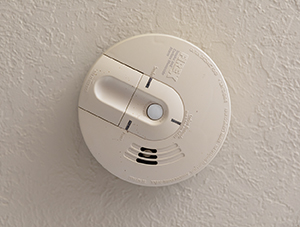
Install a carbon monoxide detector that meets Underwriters Laboratories (UL) standards. Make sure it's a battery-operated or battery back-up detector. Test the detectors on a regular basis and replace the battery when you change the time on your clocks each spring and fall. Install detectors near every sleeping area in your home.
-
Only buy gas appliances that carry the seal of approval from a national testing agency such as Underwriters Laboratories.
Online Medical Reviewer: Eric Perez MD
Online Medical Reviewer: Ronald Karlin MD
Online Medical Reviewer: Tara Novick BSN MSN
Date Last Reviewed: 07/01/2022
© 2000-2025 The StayWell Company, LLC. All rights reserved. This information is not intended as a substitute for professional medical care. Always follow your healthcare professional's instructions.
Convenient Care When You Need It
San Juan Health Partners Urgent Care is here for you with walk-in care for life’s urgent matters.
Find Urgent Care
Call for an Appointment
Offering personalized care at more than 20 clinics across three cities and two states.
Call NowRelated Articles
Chemical Inhalation
Inhalation of chemical fumes may cause a cough, shortness of breath, throat irritation, and upper chest pain. Sometimes, a pneumonia-like illness can develop within 24 hours after chemical inhalation.
Hypothermia Treatment
Hypothermia occurs when body temperature falls below 95°F (35°C). This is due to prolonged exposure to cold. Untreated, hypothermia can be fatal. The goal of treatment is to prevent further heat loss and rewarm the body.
Reaction to Medicine (Other Type)
A reaction to a medicine can have different symptoms depending on the specific medicine. The reaction can range from very mild to very severe.
Eye Protection at Work: First Aid
Despite every precaution, eye injuries can occur. First aid—knowing what to do in an emergency before it happens—may save your own or a coworker's eyesight in the event of an accident.