Chemotherapy (chemo) is a treatment for cancer. Chemo can be a single medicine. Or it can be a combination of medicines. Chemo can be used alone. Or it can be used along with surgery, radiation therapy, and other treatments, such as hormone therapy, targeted therapy, and immunotherapy. It can often shrink a tumor or prevent its spread. Chemo is a systemic medicine. This means it travels through the blood to all parts of the body.
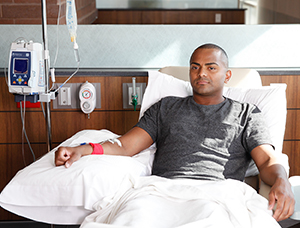
How chemotherapy works
Chemo kills cells that grow quickly. It works by keeping cancer cells from dividing, growing, and making more cancer cells. Many kinds of cancer cells grow fast. But many healthy cells grow fast, too. These include cells of the mouth, stomach lining, bone marrow, skin, and hair. After chemo, these healthy cells are able to grow back. But the cancer cells die. That's why some chemo side effects get better with time. Side effects can include:
-
Hair loss
-
Upset stomach (nausea)
-
Low blood cell counts
There are many methods to give chemo. These include:
-
By mouth, as a pill or liquid (oral)
-
By IV (intravenously) into a vein
-
By a shot (injection)
-
Into the belly (intraperitoneal)
-
Into the bladder (intravesical)
Usually, chemo is given in cycles of treatment. A cycle is the time from one cancer treatment to the next. For instance, a 3-week cycle may be treatment given 2 weeks in a row, and then 1 week off. A 3-week cycle may also be treatment given once every 3 weeks. Time is needed between treatments during the cycle. This lets normal cells recover before the next treatment.
The goals of chemotherapy
Chemo can kill cancer cells. As a result, it may do the following:
-
Shrink cancer before surgery. This is called neoadjuvant treatment.
-
Kill cancer cells that may remain after surgery. This is called adjuvant treatment.
-
Reduce symptoms, such as pain. This is called palliative care.
-
Control cancer for a period of time. This is also a kind of palliative care.
-
Cause remission. This means there is no sign of the cancer on medical tests.
-
Cure the cancer. This means the primary treatment is to kill all the cancer cells and keep them from coming back. This means there is no sign of the cancer years after treatment.
Side effects of chemotherapy
Side effects depend on the cancer, location, type of medicines, and dose of chemo you are given. Because healthy cells are also damaged with chemo, you may have side effects, such as:
-
Nausea and vomiting
-
Appetite changes
-
Hair loss
-
Low red blood cell count (anemia)
-
Low white blood cell count
-
Low platelet count
-
Infections
-
Bleeding
-
Mouth and throat sores
-
Weight changes
-
Skin changes, such as dry skin, itching, and acne
-
Lack of interest in sex
-
Severe tiredness (fatigue)
-
Trouble remembering and focusing
-
Stress and depression
-
Constipation or diarrhea
-
Numbness in hands and feet
Long-term risks
There are some long-term risks with chemo. But the benefits usually outweigh the risks. Risks depend on the type and dose of chemo used. Some possible long-term risks include:
-
Being unable to have children (infertility)
-
Damage to some organs, such as the heart, kidneys, liver, or lungs
-
Lasting nerve damage
-
Another cancer growing at a later time
Online Medical Reviewer: Marianne Fraser MSN RN
Online Medical Reviewer: Rita Sather RN
Online Medical Reviewer: Susan K. Dempsey-Walls RN
Date Last Reviewed: 11/01/2023
© 2000-2025 The StayWell Company, LLC. All rights reserved. This information is not intended as a substitute for professional medical care. Always follow your healthcare professional's instructions.
Find the right provider to meet your needs
From primary care to specialty services and more.
Find a Doctor
Call for an Appointment
Offering personalized care at more than 20 clinics across three cities and two states.
Call NowRelated Articles
Chemotherapy Safety at Home
Chemotherapy medicines can be harmful if they touch skin. So you need to make sure caregivers and others close to you are not exposed to body fluids during a treatment and for up to 48 hours afterward.
External Beam Radiation Therapy: Understanding Your Treatment and Care
Radiation therapy is a treatment for cancer. It uses targeted high-energy X-rays or particles to destroy cancer cells.
Treating Bladder Cancer: Intravesical Therapy
Some types of bladder tumors are hard to remove completely with surgery. In certain cases, special medicines that kill cancer cells may be put right inside the bladder. This is called intravesical therapy. Read on to learn more.
Whipple Procedure
This surgery is done to remove parts of the pancreas, parts of the small intestine, and certain other organs. Learn why it's done, what happens before and after surgery, and how to care for yourself afterwards.