Minor nail problems are common side effects of chemotherapy. These side effects occur because the treatment affects normal cells as well as cancer cells. The changes are usually temporary and go back to normal slowly after treatment ends. To manage these side effects, try the tips below.
Nail changes
Nail problems tend to be minor. In most cases, you can take care of them yourself. Don’t be surprised if your nails become:
-
Darkened
-
Brittle
-
Change in thickness and strength
-
Cracked
-
Marked with pits, ridges, vertical lines or bands, and spots
-
Detached from the skin or completely fall off
-
Slow growing
What you can do
If you have nail problems, be patient. Damaged nails can be repaired only with new growth, which is slow. Fingernails grow about 1/8 inch a month. Toenails grow about 1/24 inch a month. Until your nails grow back:
-
Keep them short and filed. Be careful when cutting around cuticles.
-
Don't wear tight shoes.
-
Talk with your healthcare provider before using nail strengtheners or seeing a manicurist.
-
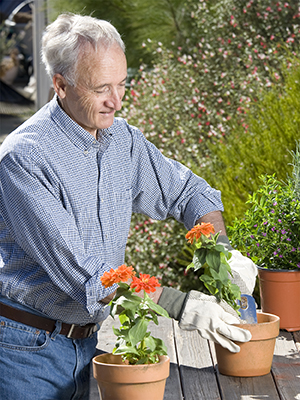
Reduce the risk of infection. Wear gloves when washing dishes, gardening, or doing other work around the house.
-
Be careful when you cut your nails and cuticles. Check them daily for changes. Call your healthcare provider if your cuticles become red, swollen, or painful, or show other changes.
Featured in
Online Medical Reviewer: Jessica Gotwals RN BSN MPH
Online Medical Reviewer: Susan K. Dempsey-Walls RN
Online Medical Reviewer: Todd Gersten MD
Date Last Reviewed: 08/01/2023
© 2000-2025 The StayWell Company, LLC. All rights reserved. This information is not intended as a substitute for professional medical care. Always follow your healthcare professional's instructions.
Find the right provider to meet your needs
From primary care to specialty services and more.
Find a Doctor
Call for an Appointment
Offering personalized care at more than 20 clinics across three cities and two states.
Call NowRelated Articles
Life After Cancer: Fatigue
After cancer treatment ends, you may find that you still feel tired and unable to do the things you want and need to do. Cancer-related fatigue is a very common problem for cancer survivors. It may last for months or even years after cancer treatment ends.
Resources for People with Cancer
You can’t fight cancer alone. Reach out. Get support from family, friends, and others who care about you. Let other people assist you. It can help you feel better both during and after your treatment.
Infusion for Cancer Treatment: 10 Things to Bring with You
Packing a personal care bag of items can help you stay calm and comfortable. It can change your infusion experience for the better. Here are 10 things to put into your bag before you go to the infusion clinic.
Life After Cancer: Oral Health Problems
Cancer treatment often causes mouth problems or affects your oral health. It can cause problems, such as sores, pain, infection, saliva changes, and dry mouth.