Hair loss is a common side effect of chemotherapy and radiation therapy. It occurs because these treatments affect normal cells that grow quickly as well as cancer cells. Hair loss can vary from thinning to complete loss. It may occur quickly over a few weeks or slowly over months. Loss of hair can happen only in the area treated (such as radiation therapy) or all over the body, including the head, legs, arms, eyelashes, and pubic area. Talk with your healthcare provider if there are choices that may reduce your risk of losing your hair, such as a scalp cooling cap. Not all types of chemotherapy and radiation therapy cause hair loss, but if it does happen, these tips can help.
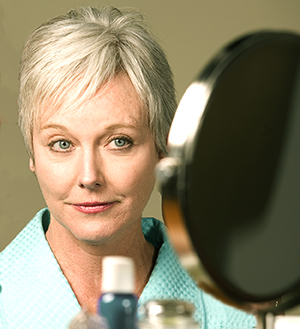
Making the transition easier
-
Discuss your feelings about losing your hair with friends, family, a counselor, or your healthcare team.
-
Get a short haircut to make hair loss seem less sudden.
-
Use soft brushes and mild shampoos.
-
Towel dry your hair or set your hair dryer on low heat.
-
Don’t color or perm your hair. Also stay away from high heat and chemical straightening. It is not unsafe, but you may be unhappy with the results or how long they last.
-
Have a wig made before you lose hair. Buy one or find out how you can borrow one. Your local American Cancer Society may be able to help and show you how to care for the wig. Also, if your healthcare provider writes a prescription for a cranial prosthesis (don't use the word wig), your insurance may help pay for it. Talk with your treatment center's social worker or navigator if you have trouble paying for a wig. They may know of resources that can help.
-
Fill in missing patches of eyebrow with a makeup pencil.
When you’ve lost your hair
-
Wear a hat, scarf, or turban. This protects your scalp from cold, heat, and the sun. It also makes hair loss less obvious.
-
Have someone shave the remaining patches if your hair loss has been uneven.
-
Expect that there may be changes in the color, thickness, or texture of hair that grows back after treatment ends. Over time, your hair will likely return to the way it was before treatment. Hair loss in the area of radiation therapy may not grow back the same as before.
Taking care of your scalp
-
Use sunscreen with an SPF of at least 30 on your scalp any time you go outside. Wear hats and scarves.
-
Keep your scalp clean.
-
See a skin healthcare provider (dermatologist) about any changes in skin color.
-
Ask your healthcare provider to suggest a mild shampoo and lotion.
-
If you wear a wig, take it off for a while each day. This allows the skin on your head to breathe.
Featured in
Online Medical Reviewer: Jessica Gotwals RN BSN MPH
Online Medical Reviewer: Susan K. Dempsey-Walls RN
Online Medical Reviewer: Todd Gersten MD
Date Last Reviewed: 08/01/2023
© 2000-2025 The StayWell Company, LLC. All rights reserved. This information is not intended as a substitute for professional medical care. Always follow your healthcare professional's instructions.
Find the right provider to meet your needs
From primary care to specialty services and more.
Find a Doctor
Call for an Appointment
Offering personalized care at more than 20 clinics across three cities and two states.
Call NowRelated Articles
Biofeedback for Cancer Symptoms
Biofeedback is a method used to improve health by controlling certain body processes that normally happen involuntarily. It does not appear to affect cancer cells, but it has helped patients reduce severity and occurrence of headaches and chronic pain.
Loss of Appetite During Cancer Treatment
Good nutrition is important during cancer treatment. Read on to learn how to work with your healthcare team and manage a loss of appetite during your treatment.
Coping with Cancer
You can find many ways to cope with stress. The goal of each approach, whether it is coping skills or relaxation methods, is to bring you from a place of tension to a place of serenity—mentally, physically, emotionally, and spiritually.
Managing Lymphedema After Cancer
Lymphedema is a problem that may occur after cancer surgery, or after radiation to the lymph nodes. It has no cure, but you can take steps to reduce or relieve symptoms.