Respiratory infections, such as colds and the flu (influenza), are common. These infections are often caused by viruses. They may share some symptoms. Not all respiratory infections are the same. Some make you sicker than others. You can take steps to prevent common respiratory infections. And if you get sick, you can take care of yourself to keep the infection from getting worse.
What is a cold?
-
Symptoms may include a runny or stuffy nose, coughing and sneezing, and sore throat. Cold symptoms tend to be milder than flu symptoms.
-
Symptoms tend to come on slowly. They last for a few days to about 1 week.
-
With a cold, you may still feel able to do most of the things you normally do.
-
Colds can spread from person to person. Keep germs from spreading by following the tips below.
What is the flu?
-
Symptoms may include fever, chills, headache, extreme tiredness (fatigue), cough, sore throat, runny or stuffy nose, and muscle aches. Children may have upset stomachs and vomiting, but adults often don’t.
-
Symptoms tend to come on quickly. Some, such as fatigue and cough, can last a few weeks.
-
With the flu, you may feel worn out and unable to do normal activities.
-
The flu can spread from person to person. Keep germs from spreading by following the tips below.
-
It’s most likely not the flu if an adult has vomiting or diarrhea for 1 or 2 days. This so-called “stomach flu” is probably a gastrointestinal infection.
When the infection gets worse
Without proper care, a respiratory infection can get worse. It can lead to serious complications and death. If you aren’t getting better or if your symptoms are getting worse, call your healthcare provider. Complications can include:
-
Bronchitis (infection of the airways that leads to shortness of breath, wheezing, and coughing up thick yellow or green mucus)
-
Pneumonia (infection of the lungs in which fluid and mucus settle in the lungs, making breathing difficult)
-
Chronic conditions, such as heart failure, chronic lung disease, asthma, or diabetes, get worse
-
Severe dehydration (loss of fluids)
-
Sinus problems
-
Ear infections
Get recommended vaccines
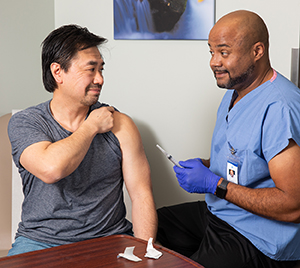
Ask your healthcare provider what vaccines are right for you and when you should get them. Recommended vaccines may include:
-
Influenza vaccine. This is often called a flu shot. This vaccine protects you from influenza. Get a vaccine each fall before flu season starts. Flu is most common in the U.S. during the fall and winter. You can get a flu shot at a clinic, healthcare provider’s office, pharmacy, senior center, or through your workplace.
-
Pneumococcal vaccine. There are 2 pneumococcal pneumonia vaccines that protect against bacterial pneumonia. Talk with your healthcare provider about these important vaccines.
-
COVID-19 vaccine. There are several different COVID-19 vaccines. They help protect you from COVID-19, especially from severe illness and death. Talk with your healthcare provider to learn more about the COVID-19 vaccine.
-
RSV vaccine. The CDC recommends adults 60 years of age and older ask their healthcare provider about getting an RSV (respiratory syncytial virus) vaccine. RSV is a common respiratory infection that can develop into a serious illness in older adults.
Keep germs from spreading
No one likes getting sick. Viruses that cause colds, flu, and other respiratory infections can spread from person to person. To protect yourself and others from germs:
-
Wear a mask in public places.
-
Cover your nose and mouth when you cough or sneeze. Use a tissue or your elbow. Don't use your hands. Throw the used tissue away. Always wash your hands after coughing, sneezing, or blowing your nose.
-
Wash your hands often with clean, running water and soap. Scrub them for at least 20 seconds. Use alcohol-based hand sanitizer when you don’t have access to soap and water.
-
Don’t touch your eyes, nose, or mouth. This may help you keep germs out of your body.
-
Stay away from other people with respiratory infections. Also limit close contact with others if you are sick. Stay away from crowds during flu season.
-
Don't smoke or let others smoke in your home or car.
How to wash your hands
-
Use clean, running water and plenty of soap. Work up a good lather.
-
Clean your whole hand, under your nails, between your fingers, and up your wrists. Wash for at least
20 seconds. Don’t just wipe—rub well. If you need help timing, sing the Happy Birthday song twice. -
Rinse. Let the water run down your fingertips, not up your wrists.
-
In a public restroom, use a paper towel to turn off the faucet and open the door.
-
If you can't use soap and water, use hand sanitizer with at least 60% alcohol.
Online Medical Reviewer: Chris Southard RN
Online Medical Reviewer: David A Kaufman MD
Online Medical Reviewer: Marianne Fraser MSN RN
Date Last Reviewed: 03/01/2024
© 2000-2025 The StayWell Company, LLC. All rights reserved. This information is not intended as a substitute for professional medical care. Always follow your healthcare professional's instructions.
Find the right provider to meet your needs
From primary care to specialty services and more.
Find a Doctor
Call for an Appointment
Offering personalized care at more than 20 clinics across three cities and two states.
Call NowRelated Articles
Asthma and COPD: Controlling Other Triggers
The weather. Food additives. Illness. Many things may set off your asthma symptoms. Here's a look at some common asthma triggers, and tips to help ease your symptoms.
Spontaneous Pneumothorax
Spontaneous pneumothorax occurs when a weakened spot on the surface of the lung ruptures. This allows air to leak out and get trapped between the lung and the chest wall.
Medicines for Chronic Obstructive Pulmonary Disease (COPD)
This sheet will help you keep track of the COPD medicines you need, and when to take them. Bring it with you to your next office visit. Ask your healthcare provider to help you complete it.
Understanding Hyperventilation Syndrome
Hyperventilation syndrome is a pattern of breathing where you breathe more quickly and deeply than normal. This can be very upsetting. Here's what you need to know.