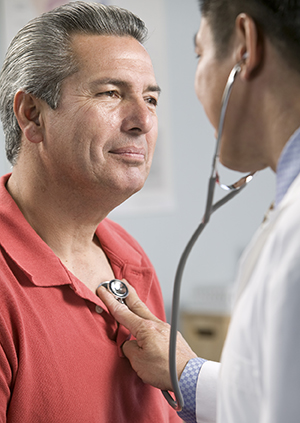
After your coronary artery bypass surgery, you'll have regular follow-up visits with your health care team. Expect to schedule visits with:
-
The surgeon. They will check your incisions.
-
The heart doctor. This is to check your health and adjust your medicines.
-
Your heart doctor or primary care provider. See them as often as advised.
-
A cardiac rehab program. Your heart doctor may advise this. This is one of the best ways to help you get better after bypass surgery.
Featured in
Online Medical Reviewer: Mary Mancini MD
Online Medical Reviewer: Ronald Karlin MD
Online Medical Reviewer: Stacey Wojcik MBA BSN RN
Date Last Reviewed: 04/01/2025
© 2000-2025 The StayWell Company, LLC. All rights reserved. This information is not intended as a substitute for professional medical care. Always follow your healthcare professional's instructions.
Expert Surgical Care
San Juan Health Partners General Surgery. Providing personalized treatment options for you.
Learn More
Call for an Appointment
Offering personalized care at more than 20 clinics across three cities and two states.
Call NowRelated Articles
After Bypass Surgery: Driving and Social Activities
After bypass surgery, it's important to get back into social activities, but take it slowly. Also, know that it's not a good idea to drive for 6 to 8 weeks after surgery.
Your Emotional Health After Bypass Surgery
Having coronary bypass surgery can trigger depression, anger, and other feelings.
After Bypass Surgery: Get Plenty of Rest
After coronary bypass surgery, it's important to relax and get plenty of rest.
Heart Transplant Rejection
After a heart transplant, the immune system can see the new heart as a foreign object and start to attack it. This is called transplant rejection. Learn more about transplant rejection, including causes, risks, symptoms, diagnosis, treatment, and prevention.