Managing diabetes means making a routine for things like meals, exercise, and medicine. It also means making changes in some of your activities, such as driving. These changes will help keep you and those around you safe.
Be prepared when driving
These tips may help:
-
Keep diabetes supplies, such as your blood glucose meter, with you in the car. Have them within easy reach. Don't put them in the backseat or trunk. Also keep snacks and fast-acting sugars, such as glucose tablets, within reach in the car. If you have had low sugar (hypoglycemic) reactions, ask your provider about using a CGM (continuous glucose monitor). A CGM can show you your blood sugar before you drive. And even during your drive. This can help prevent any hypoglycemic reactions.
-
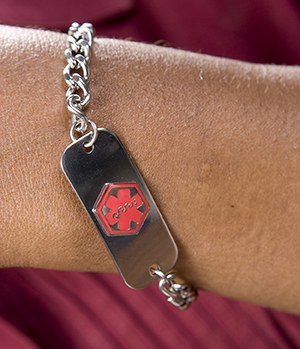
Wear an ID bracelet or necklace that says you have diabetes. This will help in an emergency. Also carry your cell phone with you when driving in case you need to call for help.
Driving safety
Many things, including medicine, may cause your blood sugar to go too low at times. This is called hypoglycemia. Driving when your blood sugar is low can be as dangerous as driving while drunk. To drive safely:
-
Check your blood sugar before you start. Don't drive if it is below your target range.
-
Stop to check your blood sugar at least every 2 hours or as often as advised by your healthcare provider.
-
Pull over and stop if you feel symptoms of low blood sugar while driving. Check your blood sugar right away:
-
If your blood sugar is low, eat or drink 15 to 20 grams of fast-acting sugar. That's 3 to 4 glucose tablets or 4 ounces (1/2 cup) of fruit juice or nondiet soda. Wait 15 minutes. Then test to see if your blood sugar is still low. If it is, eat or drink 15 to 20 grams of fast-acting sugar. Test again in 15 minutes. Repeat this process until your blood sugar is normal.
-
Once your blood sugar is normal, eat a bigger snack or meal with protein (if possible). Don't drive until your blood sugar is at a safe level.
-
If your blood sugar does not go back up, call your provider or
911 to get help right away. You may need an injection of glucagon to raise your blood sugar.
-
-
Have your eyes tested at least once a year to be sure your vision is still adequate for driving.
-
Ask for a ride from a family member or service group if diabetes or other health issues have made it hard or unsafe for you to drive.
-
Professional drivers need to keep up on changes in regulations about driving with diabetes.
Online Medical Reviewer: Heather M Trevino BSN RNC
Online Medical Reviewer: L Renee Watson MSN RN
Online Medical Reviewer: Robert Hurd MD
Date Last Reviewed: 04/01/2024
© 2000-2025 The StayWell Company, LLC. All rights reserved. This information is not intended as a substitute for professional medical care. Always follow your healthcare professional's instructions.
Find the right provider to meet your needs
From primary care to specialty services and more.
Find a Doctor
Call for an Appointment
Offering personalized care at more than 20 clinics across three cities and two states.
Call NowRelated Articles
Planning for Travel When You Have Diabetes
Taking care of yourself means creating a routine for things like meals, exercising, and taking medicine. But sometimes this routine is disrupted when you travel. Your healthcare team can help you work out a travel plan. Read on for some helpful tips to get you started.
Managing Type 2 Diabetes
Type 2 diabetes is a chronic (lifelong) condition that keeps your body from turning food into energy. That's why you feel tired and run down. Controlling your diabetes means making some changes that may be hard at first. Controlling the level of sugar in your bloodstream is the key to managing your diabetes.
Managing Stress When You Have Diabetes
Getting used to life with a chronic condition can be hard. But excess stress or sadness can actually affect your blood sugar. Learn to watch for signs of these feelings. And know that you can get help.
Diabetes and Drinking Alcohol
If you have diabetes, be careful with alcohol. Alcohol can affect how well you control your blood sugar (glucose) level. Read on to learn more about the risks of drinking alcohol. And find tips for staying safe when you drink.