What is PVL?
Periventricular leukomalacia (PVL) is a softening of brain tissue near the ventricles. These are fluid-filled chambers in the brain. PVL occurs when brain tissue has been injured or has died. A lack of blood flow to the brain tissue before, during, or after birth causes PVL. It is rarely possible to tell when or why this happens. PVL is sometimes linked to intraventricular hemorrhage. There is no treatment for PVL.
Which babies are at risk for PVL?
PVL can happen in any baby. But the risk is higher in babies who are born early. Those at highest risk are very low birth weight, younger babies. Gestational CMV (cytomegalovirus) infection can also cause PVL.
How is PVL diagnosed?
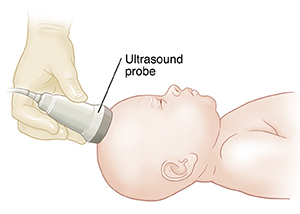
Healthcare providers can find PVL with an ultrasound (imaging test) of the head. But sometimes, signs of PVL can’t be seen with an ultrasound right away. So healthcare providers give babies at risk for PVL an ultrasound
What are the long-term effects?
PVL may lead to problems with physical or mental development. How bad these problems are can vary. In some mild cases, healthcare providers find PVL on imaging tests. But the condition causes no symptoms. In these cases, the baby still needs to be checked from time to time for signs of problems. In the most severe cases, PVL can cause cerebral palsy or other serious physical and mental delays. Only time can tell how bad a child’s disability will be. If your child has PVL, they should be checked regularly by a developmental expert. This can help spot problems early so you and your child can get help early.
Online Medical Reviewer: Anne Fetterman RN BSN
Online Medical Reviewer: Joseph Campellone MD
Online Medical Reviewer: Raymond Kent Turley BSN MSN RN
Date Last Reviewed: 12/01/2024
© 2000-2025 The StayWell Company, LLC. All rights reserved. This information is not intended as a substitute for professional medical care. Always follow your healthcare professional's instructions.
Find the right provider to meet your needs
From primary care to specialty services and more.
Find a Doctor
Call for an Appointment
Offering personalized care at more than 20 clinics across three cities and two states.
Call NowRelated Articles
Dermoid Cyst of the Brain or Spinal Cord
A dermoid cyst is the growth of normal tissue in an abnormal place in the body. The cyst is benign (not cancer). It contains different types of tissue, such as hair follicles, cartilage, sweat glands, and glands that make skin oils. A dermoid cyst in the brain or spinal cord is a rare type of dermoid cyst. They often appear in children under age 10, but can also appear in older children and young adults.
When Your Child Has Cerebral Palsy (CP)
Cerebral palsy (CP) causes a child to have problems with certain motor skills. This means they may have trouble with coordination, movement, or muscle control. These problems are due to damage or abnormal development of certain brain areas. Many children with CP have normal intelligence in spite of their difficulty with motor skills. With diagnosis and treatment, children can learn how to manage their condition.
Hydrocephalus in Children
A baby with hydrocephalus has extra fluid around the brain. This fluid is called cerebrospinal fluid (CSF). Too much CSF can increase the pressure in your baby’s head. This causes the bones in your baby’s skull to expand and separate. The baby's head may look larger than normal.
Types of Brain Tumors in Children
Learn about the different types of tumors a child can have.