After a stroke, a person may feel sudden or extreme emotions. Sadness and depression are common. These feelings may be due to damage in the brain. Or they may be a response to the person’s awareness of what has happened.
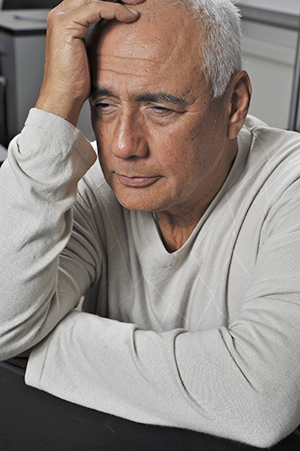
Coping with mood swings
One common effect of stroke is lability. This problem makes people less able to control their emotions. Lability may cause a sudden mood shift that is out of context with what is going on. A person may suddenly cry or laugh.
You can help
-
Stay calm. Accept the behavior and go on with what you were doing.
-
If the person apologizes, acknowledge the behavior as a result of the stroke.
-
Don't criticize.
-
Treat the person with respect at all times.
Dealing with depression
A person may feel depressed after having a stroke. This may be due to brain damage. Changes in body image and grieving for lost skills, such as speech or freedom of movement, may also cause depression.
You can help
-
Ask the health care provider whether medicine can help reduce the depression. You may need to take your loved one to see a psychiatrist or psychologist if they have severe depression.
-
Help the person stay active. Play games, watch TV, take a walk, or listen to music together.
-
Ask friends to visit if the person is willing to see them.
-
Don't discount depression by telling the person to “cheer up.”
Online Medical Reviewer: Anne Fetterman RN BSN
Online Medical Reviewer: Raymond Kent Turley BSN MSN RN
Online Medical Reviewer: Steven Kang MD
Date Last Reviewed: 04/01/2025
© 2000-2025 The StayWell Company, LLC. All rights reserved. This information is not intended as a substitute for professional medical care. Always follow your healthcare professional's instructions.
Find the right provider to meet your needs
From primary care to specialty services and more.
Find a Doctor
Call for an Appointment
Offering personalized care at more than 20 clinics across three cities and two states.
Call NowRelated Articles
Healthy Lifestyle to Prevent Another Stroke
Breaking old habits can be hard. But when your health is at stake, it's never too late to make changes for the better. Some lifestyle changes might be easy for you. Others might be tough.
Muscle Stiffness After Stroke
After a stroke, it’s normal to notice changes in your muscles. Certain muscles might feel stiff and tight all the time—a condition known as spasticity.
Stroke: Resources and Support
After being released from rehab, your loved one may need ongoing therapy or nursing care. Talk with a social worker or case manager about planning for care and local sources of support.
Intimacy After Stroke
After a stroke, it may take some time before you feel ready to have sex again. Reading this sheet can help you understand some of what you're feeling. It can also help you work with your partner to rebuild intimacy and find ways to enjoy sex again.