A tension-type headache can develop slowly. Being aware of the symptoms helps you recognize a headache early. Then you can act to reduce pain and relieve tension. Methods for relieving your symptoms include self-care and medicine.
Tension-type symptoms
The earlier you recognize the symptoms of a tension-type headache, the easier it is to treat. Tension-type headaches may:
-
Start with fatigue, tension, or pain in the neck and shoulders
-
Feel like a band around the head
-
Be focused at the temple, the back of the head, behind the eyes, or in the face
-
Come and go, or last for days, weeks, or even longer
-
Involve referred pain—this means that the area that hurts may not be where the problem starts
Self-care during a tension-type headache
When you have a tension-type headache, there are things you can do to relax, loosen muscles, and reduce the pain:
-
Brush your scalp lightly. Use a soft hairbrush.
-
Give yourself a massage. Knead the muscles running from your shoulders up the back of your skull. Or ask a friend to gently massage your neck and shoulders.
-
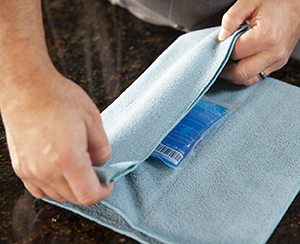
Use an ice pack. To make an ice pack, put ice cubes in a plastic bag that seals at the top. Wrap the bag in a thin towel or cloth. Then apply this directly to the place where you feel pain (such as your neck or temples).
-
Use moist heat. This can help relax your muscles. Take a warm shower or bath. Or drape a warm, moist towel around your neck and shoulders.
Relieving pain and tension
Over-the-counter or prescription medicine can help ease pain. Another way to reduce your pain is to use relaxation techniques to loosen tight muscles.
Medicine
Medicines used for tension-type headaches include:
-
NSAIDs (nonsteroidal anti-inflammatory drugs). These include aspirin and ibuprofen. NSAIDs ease inflammation and help block pain signals.
-
Acetaminophen. This treats pain. Some formulations contain caffeine.
-
Muscle relaxants. These can reduce painful muscle contractions.
Taking medicine safely
Be aware that:
-
Taking analgesics (pain relievers) or drinking too much coffee may lead to rebound headaches. These are frequent or severe headaches that can happen if you miss a dose of medicine. So, take pain medicines only as needed. If you think you have these headaches, contact your healthcare provider.
-
Taking too much medicine can cause sleep problems or stomach upset. Some over-the-counter headache medicines may contain caffeine. These may disrupt sleep and worsen pain.
Relaxation techniques
A trainer, class, book, or tape may help you learn these techniques. One or more of these methods may work for you:
-
Deep breathing. Slow, calm, deep breathing can help you relax. Breathe in for a count of 5 or more. Then slowly let the breath out.
-
Visualization. Imagining a peaceful, secure scene can give you a sense of control over your body and surroundings.,
-
Progressive relaxation. This is done by tightening and then releasing muscle groups. Start at the top of your head and work your way down your body. Tighten each muscle group for 5 to 10 seconds. Then release the muscle group for the same amount of time.
-
Biofeedback. This is a type of training in which you learn to control certain physical functions and responses. This helps you learn to reduce muscle tension.
Online Medical Reviewer: Anne Fetterman RN BSN
Online Medical Reviewer: Joseph Campellone MD
Online Medical Reviewer: Raymond Kent Turley BSN MSN RN
Date Last Reviewed: 09/01/2024
© 2000-2025 The StayWell Company, LLC. All rights reserved. This information is not intended as a substitute for professional medical care. Always follow your healthcare professional's instructions.
Find the right provider to meet your needs
From primary care to specialty services and more.
Find a Doctor
Call for an Appointment
Offering personalized care at more than 20 clinics across three cities and two states.
Call NowRelated Articles
Physical Fitness and Spinal Cord Injury (SCI)
You may think that you can’t be physically fit with an SCI. But you can indeed exercise, be active, and build and maintain fitness. Exercise plays a very important role in keeping you healthy. Learn here all the ways activity and exercise can help you.
Arm Care After a Stroke
Learn about getting correct arm care after a stroke and why it's so important.
Physical Problems After Brain Injury
A traumatic brain injury can affect other parts of the body too. As a result, people who have a brain injury may have little or no control over their bodies. Read on to learn more.
Nutrition and Spinal Cord Injury (SCI)
Good nutrition is a vital part of staying healthy after an SCI. A nutritious and balanced diet helps you manage your weight. It provides you with the energy you need for daily activities.