After a stroke, people can regain a sense of power by helping take care of themselves. Many can learn ways to manage a lack of bowel and bladder control. And using impaired arms and legs to bathe and dress helps regain muscle strength. In fact, daily use of affected hands often helps bring back function. As the function improves, encourage the person as much as possible to use the affected side as part of an effective recovery.
Bladder and bowel problems
A stroke may affect your loved one’s bladder and bowel control. The problem may seem worse if they can’t walk to the bathroom alone or ask for help. Nurses can help you both find a way to manage the problem. They may suggest the following:
-
Take the person to the toilet at set times. You might try every 2 hours to 3 hours.
-
Provide a bedside commode for use at night.
-
Use absorbent briefs.
-
Refrain from drinking fluids late in the evening.
Bathing and dressing
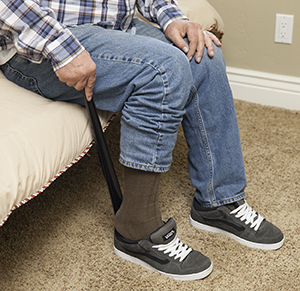
With the help of occupational therapists, people who have had a stroke can learn new ways to bathe and dress. Your loved one may be taught to:
-
Test water temperature with a hand or foot that was not affected by the stroke.
-
Use grab bars, a shower seat, a handheld shower, and a long-handled brush.
-
Dress while sitting, starting with the affected side or limb.
-
Wear shirts with snaps or hook-and-loop closures. Use zippers with loops attached to them. Sweatpants or skirts with elastic waistbands may also be advised.
Online Medical Reviewer: Anne Fetterman RN BSN
Online Medical Reviewer: Deepak Sudheendra MD
Online Medical Reviewer: Raymond Kent Turley BSN MSN RN
Date Last Reviewed: 05/01/2025
© 2000-2025 The StayWell Company, LLC. All rights reserved. This information is not intended as a substitute for professional medical care. Always follow your healthcare professional's instructions.
Find the right provider to meet your needs
From primary care to specialty services and more.
Find a Doctor
Call for an Appointment
Offering personalized care at more than 20 clinics across three cities and two states.
Call NowRelated Articles
For Caregivers: Swallowing Problems After Stroke
Some people have trouble swallowing (dysphagia) after a stroke. This makes choking more likely. It also puts their health at further risk for conditions like aspiration pneumonia. To maintain nutritional needs, a speech therapist may teach your loved one ways to improve swallowing.
Lip Closure Exercises for Dysphagia
Lip closure exercises can help you swallow better. You may need these exercises if you have trouble swallowing (dysphagia). The exercises may help make your lips stronger and better able to move over time.
After a Stroke: Getting Ready to Drive Again
Reclaiming the driver’s seat after a stroke can be a daunting prospect. The good news? With support, guidance, and some adaptations, you can still travel the road ahead with confidence.
For Caregivers: Preventing Another Stroke
A stroke requires immediate medical attention. Know the signs of stroke.