Types
3 Common Childhood Skin Conditions No One Talks About
November 2020
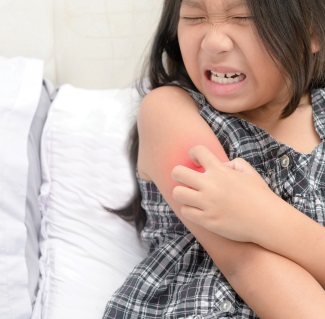
Oozing sores, speckled bumps, and itchy groins might not come up in conversation with other parents. But annoying and embarrassing skin conditions affect many children. It’s time to break the silence about three icky problems and how to solve them.
1. Cold sores
What it is: A type of herpes virus causes these small blisters around the lips and mouth. The bugs spread easily through spit, skin-to-skin contact, or contaminated objects. They often appear by age 5.
Home remedies: When they appear, prevent scratching and picking. Ease pain and itching with ice or chilled treats. Wash hands and clean toys regularly.
See a pediatrician the first time cold sores develop. Also call if they don’t heal after about a week; approach the eyes; or have red, swollen, or hot skin around them.
2. Warts
What it is: Caused by human papilloma viruses, about one in 10 kids will grow these small, raised bumps—usually on their hands. They’re often skin-colored, sometimes with black spots that look like seeds.
Home remedies: Over-the-counter medicine with 17% salicylic acid turns warts into dead skin. To speed the process, cover area with a small piece of duct tape after the medicicne has dried. Avoid using duct tape on a wart near genitals or under armpits.
See a pediatrician right away if red streaks appear around the wart, especially if your child has a fever. Also seek treatment for 4 or more warts or those on the face, genitals, or soles of the feet.
3. Ringworm
What it is: Ringworm comes from fungus, not a parasite. But the name rings true in a different way: the itchy, red circles it causes. Ringworm can appear almost anywhere on the body, including feet, hands, and groin. It spreads through contact with people or animals, or in places like locker rooms and shared showers.
Home remedies: Most cases resolve with over-the-counter antifungal creams, lotions, and powders.
See a pediatrician if your child has ringworm on the scalp. This location usually requires a prescription.
Helping kids cope
It’s normal for children to feel self-conscious about skin conditions. Explain what’s happening in age-appropriate language. For example, tell them warts don’t actually come from toads. Say that although fungus sounds icky, it doesn’t mean they’re dirty or gross.
Involve kids in treatment and teach them simple ways to answer others’ questions. They might educate their friends and explain, “This is a wart; it’s a skin condition.” Above all, remind children that beauty and confidence come from inside, regardless of what their skin looks like.
Featured in
Online Medical Reviewer: Ray Turley, BSN, MSN
Online Medical Reviewer: Rina Lazebnik, MD
Date Last Reviewed: 07/01/2020
© 2000-2025 The StayWell Company, LLC. All rights reserved. This information is not intended as a substitute for professional medical care. Always follow your healthcare professional's instructions.
Personalized Pediatric Care
San Juan Health Partners Pediatrics. Dedicated to caring for your children.
Find a Doctor
Call for an Appointment
Offering personalized care at more than 20 clinics across three cities and two states.
Call NowRelated Articles
Skin Cancer in Children
Skin cancer is a type of cancer that grows in the cells of the skin. It can spread to and damage nearby tissue and spread to other parts of the body. Skin cancer is rare in children.
Understanding Impetigo
Impetigo is a skin infection. It's most common in children. Read on to learn more.
Cellulitis
Cellulitis is a serious deep infection of the skin caused by bacteria. It often occurs in an area that has already had an injury or skin break.
Understanding Molluscum Contagiosum
Molluscum contagiosum is a skin infection caused by a virus. It causes small bumps on the body. Children and young adults are most often affected.